
Uncovering the Depths: Navigating the World of Marine Surveying

Marine surveying is a vital field that ensures the safe and efficient operation of vessels and marine structures. It is more than just an inspection; it involves detailed assessments that are critical for regulatory compliance, maintenance, and financial transactions. With the right surveys, we can prevent accidents, protect marine life, and optimize the use of maritime resources.
What is Marine Surveying?
Marine surveying involves inspecting and evaluating marine vehicles, structures, and equipment to determine their condition and adherence to maritime regulations. Key activities include vessel surveys, cargo inspections, and evaluations of marine infrastructure. By ensuring that standards are met, marine surveyors contribute to safety on the water and the well-being of the marine environment.
There are several types of marine surveys, including:
Pre-Purchase Surveys: Before buying a vessel, potential owners have these conducted to ensure that their investment is sound. For example, a pre-purchase survey of a 30-foot yacht might cost around 1% to 3% of the vessel's value, saving buyers from future repair costs.
Condition Surveys: These surveys assess a vessel's current state to identify necessary repairs or maintenance. For example, discovering that a ship’s hull has 40% more corrosion than anticipated can lead to timely and necessary repairs.
Insurance Surveys: Underwriters require these surveys to assess a vessel's market value and associated risks. For instance, a cargo ship might undergo an insurance survey to ensure it meets standard coverage requirements.
Cargo Surveys: Evaluating the condition and quantity of cargo prevents potential losses and hazards. For instance, if a survey finds that 10% of the cargo is damaged, claims processes become smoother.
Why is Marine Surveying Important?
Marine surveying is essential for maintaining safety standards in the maritime industry. Regular surveys can identify hazards, which can prevent accidents before they happen. This proactive approach not only saves lives but also protects valuable assets worth billions. For example, in 2020, the International Maritime Organization reported that improved safety standards could reduce maritime accidents by as much as 30%.
Moreover, marine surveying aids in compliance with stringent national and international regulations. Surveyors also assess environmental compliance, ensuring minimal impact on ecosystems.
The Role of Marine Surveyors
Marine surveyors are trained professionals who bring expertise in marine operations, often holding degrees in maritime studies, engineering, or naval architecture. Their role encompasses comprehensive assessments documented in detailed reports.
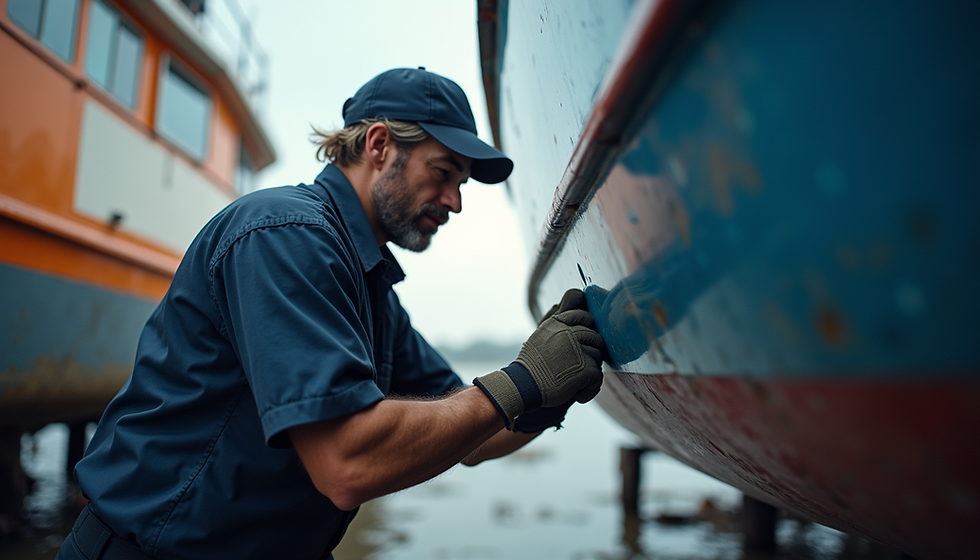
One major duty of marine surveyors is to conduct thorough inspections. This includes assessing hull integrity, propulsion systems, and safety equipment. For example, during a hull survey, surveyors may discover cracks or corrosion that could lead to severe failures at sea.
Additionally, marine surveyors provide crucial advice on best practices for vessel maintenance and risk management. With expert insight, shipowners can make informed decisions, enhancing safety and operational efficiency. A surveyor’s advice can lead to preventive maintenance costs falling by as much as 20%, providing significant savings over time.
Tools and Techniques in Marine Surveying
Marine surveyors employ various tools to ensure accurate assessments. Some of these essential tools include:
Ultrasonic Thickness Gauges: Used to measure the thickness of hull materials, helping to spot corrosion before it becomes a major issue.
Drones: Essential for aerial inspections, they can cover the topsides of large ships or marine structures with ease.
Underwater Cameras: These cameras provide a visual of submerged components, ensuring no crucial elements go uninspected.
Moisture Meters: They gauge moisture content in materials, alerting surveyors to potential structural issues.
These innovative tools not only enhance the accuracy of surveys but also provide valuable data for analysis and reporting.
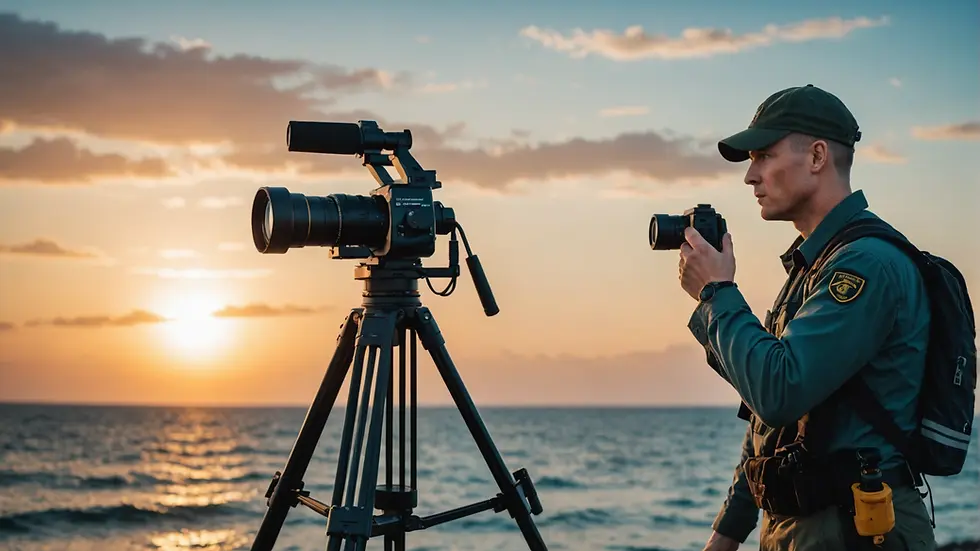
The Importance of Marine Surveying
Marine surveying is a crucial aspect of maritime safety, ensuring vessels and structures adhere to regulatory standards while operating efficiently. With various survey types available and advanced tools at their disposal, marine surveyors protect lives and preserve marine resources.
Understanding marine surveying is important for everyone involved in maritime operations, from vessel owners to operators and enthusiasts. As technology and practices evolve, the impact of marine surveying on the industry will continue to grow, shaping a safer and more sustainable future for maritime activities.

Comments