
Comprehensive Marine Survey Services Explained

When it comes to buying, owning, or insuring a boat or yacht, understanding the condition and value of your vessel is crucial. That’s where marine surveys come in. I’ve spent years working closely with boat owners and brokers, and I can tell you firsthand how valuable a thorough marine survey is. It’s not just about ticking boxes; it’s about peace of mind, safety, and making informed decisions.
Let me walk you through what comprehensive marine survey services really mean, why they matter, and how they can protect your investment on the water.
What Are Marine Survey Services and Why Do They Matter?
Marine survey services are professional inspections of boats and yachts to assess their condition, value, and seaworthiness. Think of it as a detailed health check for your vessel. Whether you’re buying a new boat, selling one, or just want to keep your current vessel in top shape, a marine survey is an essential step.
These surveys cover everything from the hull and engine to safety equipment and onboard systems. The goal is to identify any issues that could affect the boat’s performance, safety, or value. For example, a survey might uncover hidden water damage, engine wear, or outdated electrical wiring that could cause problems down the line.
By investing in a marine survey, you’re not just protecting your wallet—you’re ensuring your time on the water is safe and enjoyable.
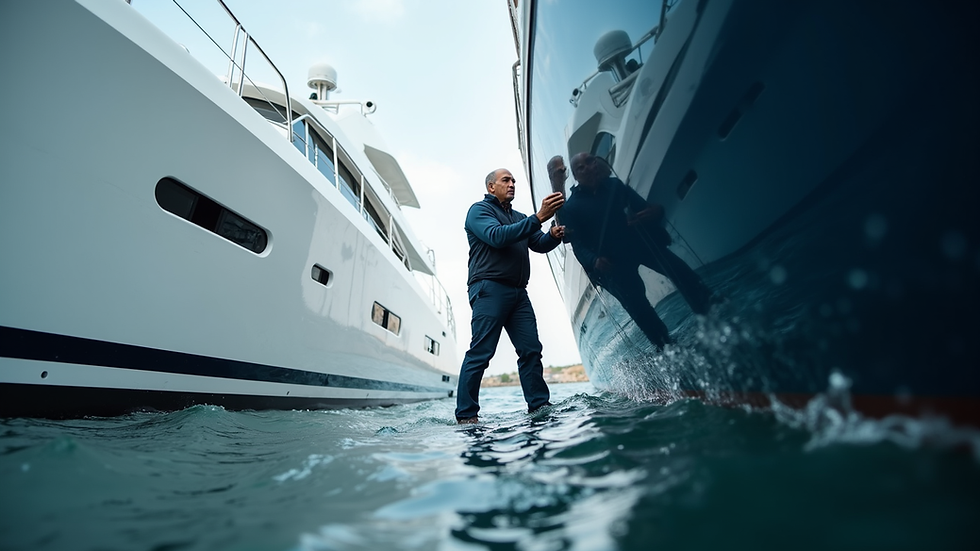
Types of Marine Surveys You Should Know About
There isn’t just one kind of marine survey. Depending on your needs, different types of surveys focus on various aspects of the vessel. Here are the most common ones:
Condition and Valuation Survey
This is the most common survey, especially when buying or selling a boat. It assesses the overall condition and provides a fair market value. It’s a detailed report that helps buyers and sellers agree on a price.
Insurance Survey
Insurance companies often require this survey before issuing or renewing a policy. It focuses on safety and seaworthiness to determine insurability and premiums.
Pre-Purchase Survey
If you’re buying a boat, this survey is a must. It highlights any defects or repairs needed before you commit to the purchase.
Damage Survey
After an accident or storm, a damage survey documents the extent of damage for insurance claims or repair estimates.
Specialized Surveys
These include underwater hull inspections, rigging surveys for sailboats, and compliance surveys for commercial vessels.
Each survey type has its own focus, but all aim to provide you with clear, actionable information.
What to Expect During a Comprehensive Marine Survey
When you schedule a marine survey, the surveyor will conduct a thorough inspection that can take several hours or even a full day, depending on the vessel size and complexity. Here’s a breakdown of what typically happens:
Visual Inspection
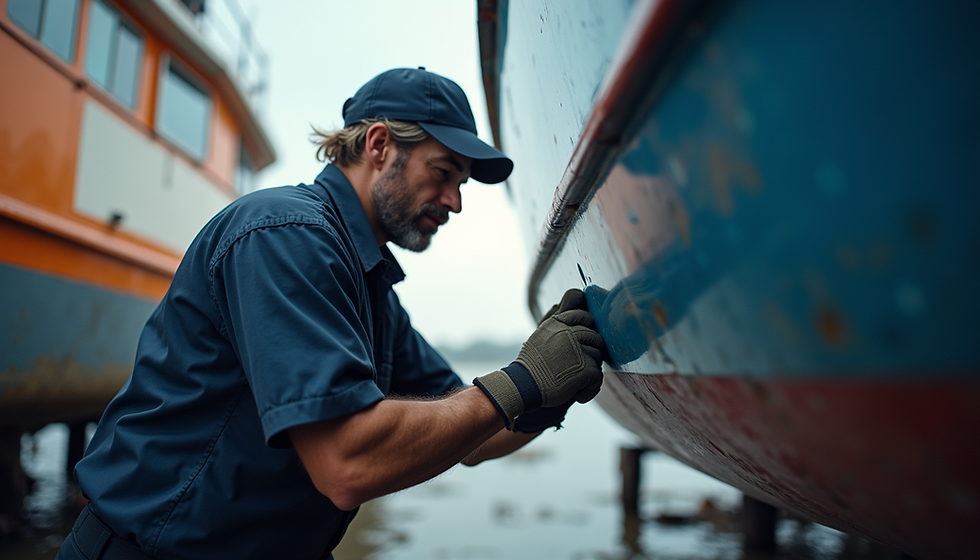
The surveyor examines the hull, deck, superstructure, and fittings for cracks, corrosion, or damage. They’ll check the condition of paint, gel coat, and any signs of water intrusion.
Engine and Mechanical Systems Check
Engines, generators, fuel systems, and exhausts are inspected for wear, leaks, and proper operation. The surveyor may run the engine to listen for unusual noises or vibrations.
Electrical Systems Review
Wiring, batteries, lighting, and navigation equipment are tested to ensure everything is safe and functional.
Safety Equipment Verification
Life jackets, fire extinguishers, bilge pumps, and alarms are checked to meet regulatory standards.
Sea Trial (if applicable)
Sometimes, the surveyor will take the boat out on the water to observe its handling, engine performance, and overall seaworthiness.
Documentation Review
The surveyor will also verify registration, ownership papers, and maintenance records.
After the inspection, you’ll receive a detailed report outlining the vessel’s condition, any issues found, and recommendations for repairs or maintenance. This report is your roadmap for making informed decisions.

How to Choose the Right Marine Surveyor
Choosing the right surveyor is just as important as the survey itself. You want someone experienced, trustworthy, and familiar with the type of vessel you own or plan to buy. Here are some tips to help you pick the best professional:
Check Credentials
Look for surveyors certified by recognized organizations such as the Society of Accredited Marine Surveyors (SAMS) or the National Association of Marine Surveyors (NAMS).
Experience Matters
A surveyor with years of experience in your specific boat type—whether it’s a sailboat, powerboat, or yacht—will provide more accurate insights.
Ask for References
Don’t hesitate to ask for references or read online reviews. Hearing from other boat owners can give you confidence in your choice.
Local Knowledge
A surveyor familiar with local waters and regulations can spot issues that might be unique to your region.
Clear Communication
Choose someone who explains findings clearly and answers your questions patiently. You want a partner, not just a technician.
By taking the time to select the right surveyor, you’re investing in a smoother, more transparent buying or ownership experience.
Why Comprehensive Marine Survey Services Are a Smart Investment
I can’t stress enough how much value a comprehensive marine survey adds. It’s not just about finding faults; it’s about understanding your vessel inside and out. Here’s why these services are worth every penny:
Avoid Costly Surprises
Discovering hidden problems after purchase can be expensive and stressful. A survey helps you avoid unexpected repairs.
Negotiate with Confidence
Armed with a detailed report, you can negotiate a fair price or request repairs before finalizing a deal.
Ensure Safety
Knowing your boat meets safety standards protects you and your passengers on the water.
Protect Your Investment
Regular surveys help maintain your boat’s value and catch issues early before they worsen.
Meet Insurance Requirements
Many insurers require surveys to provide coverage, and a good report can lower your premiums.
If you want to learn more about how these services work and how they can benefit you, I recommend checking out marine surveying services offered by trusted professionals.
Keeping Your Vessel in Top Shape After the Survey
A marine survey is not a one-time event. To keep your boat or yacht in excellent condition, regular inspections and maintenance are key. Here are some practical tips to help you stay ahead:
Schedule Annual Surveys
Even if you’re not buying or selling, an annual survey can catch wear and tear early.
Follow Maintenance Recommendations
Use the survey report as a checklist for repairs and upkeep.
Keep Detailed Records
Document all maintenance, repairs, and upgrades. This history adds value and helps future surveys.
Stay Informed About Regulations
Boating laws and safety standards can change. Make sure your vessel complies.
Invest in Quality Repairs
When issues arise, choose reputable marine mechanics and parts.
By staying proactive, you’ll enjoy your time on the water with confidence and comfort.
I hope this deep dive into comprehensive marine survey services has given you a clearer picture of their importance and what to expect. Whether you’re stepping into boat ownership or just want to protect your current vessel, a professional marine survey is your best ally. Safe sailing!

Comments