
Navigating Marine Insurance Survey Steps with Confidence

When it comes to owning or buying a boat or yacht, one of the most important yet sometimes overlooked aspects is the marine insurance survey. I’ve been through this process myself, and I can tell you it’s not just paperwork or a formality. It’s a crucial step that protects your investment and ensures your vessel is seaworthy and safe. Today, I want to walk you through the marine insurance survey steps, sharing practical tips and insights to help you navigate this process smoothly.
Understanding Marine Insurance Survey Steps
Before diving into the survey itself, it’s helpful to understand what these steps generally involve. A marine insurance survey is an inspection conducted by a qualified marine surveyor to assess the condition, value, and risks associated with a vessel. This survey is often required by insurance companies before they agree to cover your boat or yacht.
Here’s a quick overview of the typical steps involved:
Scheduling the Survey - Contact a reputable marine surveyor and arrange a convenient time for the inspection.
Pre-Survey Preparation - Gather all relevant documents such as previous survey reports, maintenance records, and registration papers.
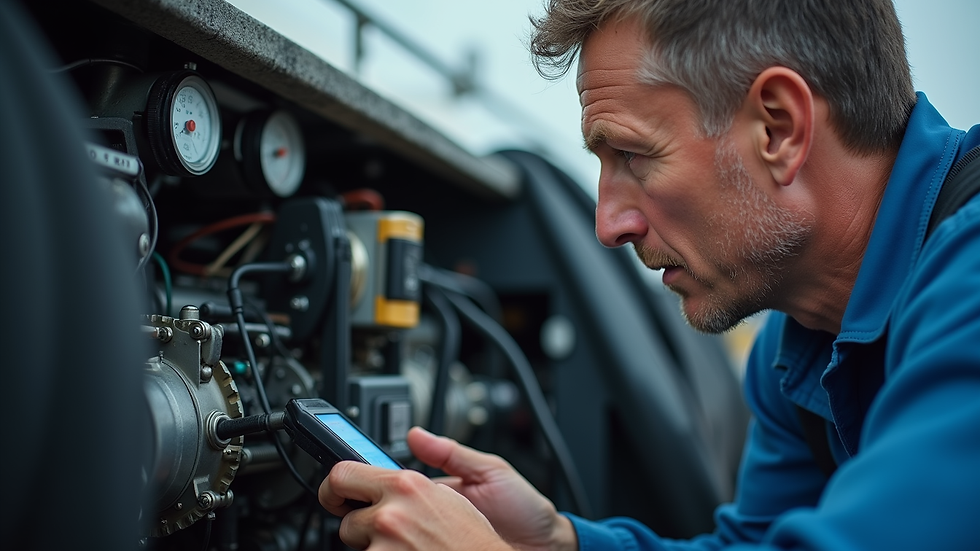
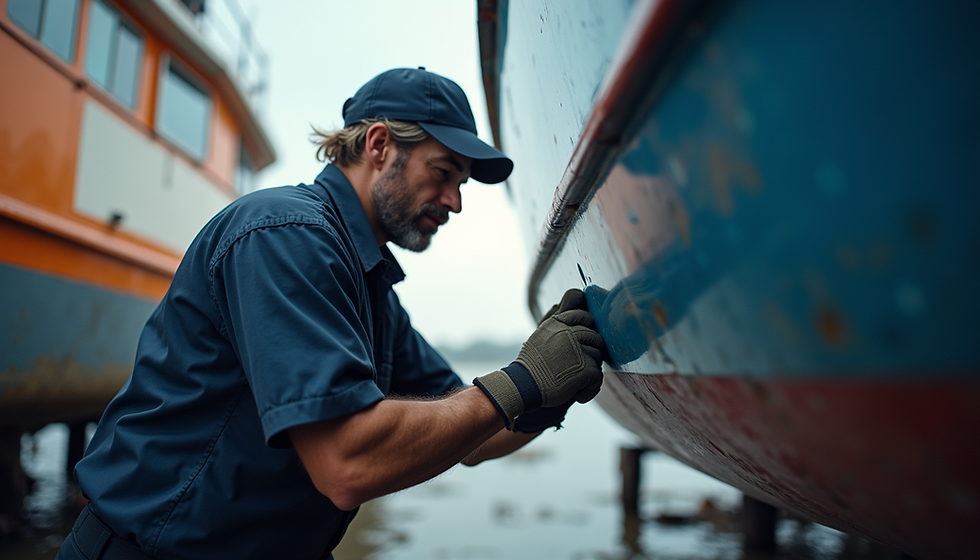
On-Site Inspection - The surveyor examines the vessel’s hull, engine, electrical systems, safety equipment, and more.
Sea Trial (if applicable) - The surveyor may take the boat out on the water to evaluate its performance.
Report Generation - After the inspection, the surveyor prepares a detailed report outlining findings and recommendations.
Review and Follow-Up - You review the report and address any issues before finalizing insurance coverage.
Each of these steps plays a vital role in ensuring your vessel meets the necessary standards for insurance.
Why Marine Insurance Survey Steps Matter
You might wonder why these steps are so important. From my experience, skipping or rushing through any part of the survey can lead to costly surprises down the road. Insurance companies rely on these surveys to understand the risks they are taking on. If your vessel has hidden damage or outdated safety equipment, it could affect your coverage or claims in the future.
For example, during one survey I observed, the inspector found corrosion in the engine compartment that wasn’t visible during a casual check. This discovery allowed the owner to fix the issue before it became a major problem. Without the survey, the insurance company might have denied a claim related to engine failure.
Following the marine insurance survey steps thoroughly also helps you negotiate better insurance terms. A well-maintained vessel with a clean survey report often qualifies for lower premiums and broader coverage.
What to Expect During the Survey
When the day of the survey arrives, it’s natural to feel a bit anxious. But knowing what to expect can ease your mind. The surveyor will conduct a comprehensive inspection that covers:
Hull and Structure: Checking for cracks, moisture instrusion, blisters, or damage.
Mechanical Systems: Plumbing, seacocks, and visiual Inspection of engines and generator.
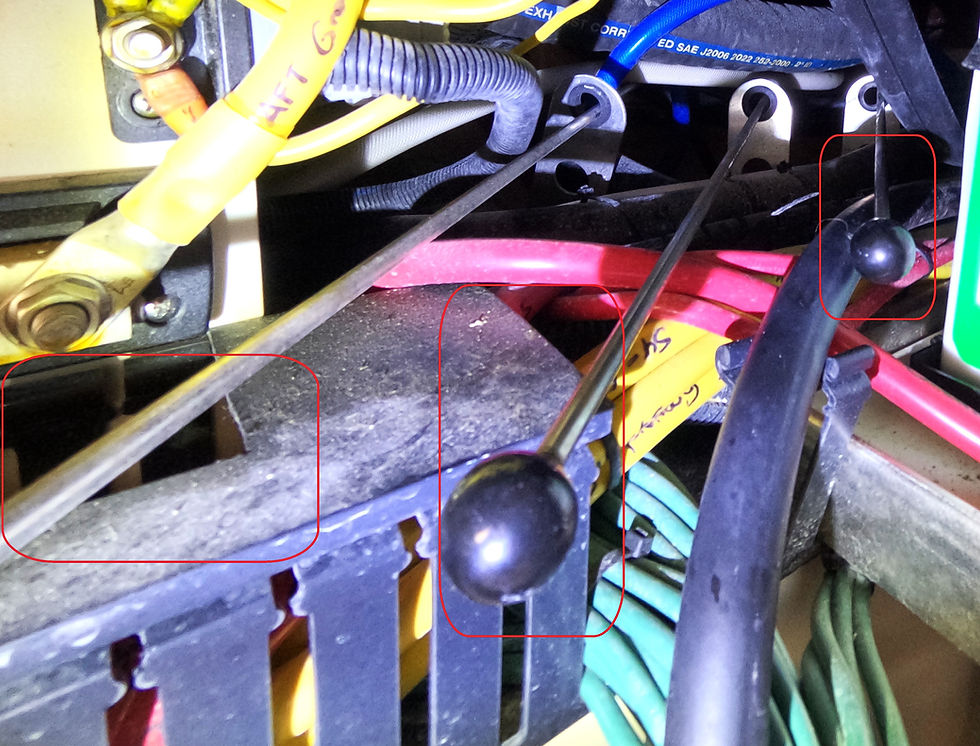
Electrical Systems: Ensuring wiring, both AC and DC are safe and functional.
Safety Equipment: Verifying life jackets, fire extinguishers, navigation lights and alarms.
Interior and Deck: Looking for water damage, mold, or wear and tear.
Documentation: Boat histry report and vessel compliance.
If the survey includes a sea trial, the surveyor will assess how the boat handles in the water, checking for unusual noises, vibrations, or steering issues. A WOT (wide open throttle) test.
It’s a good idea to be present during the survey. This way, you can ask questions, get immediate feedback, and understand any concerns firsthand.
By staying proactive, you reduce the risk of surprises during your next marine insurance survey and ensure your vessel remains a safe haven on the water.
Navigating the marine insurance survey steps might seem daunting at first, but with the right approach and preparation, it becomes a straightforward and rewarding process. Remember, this is about protecting your investment and enjoying your time on the water with confidence. If you ever feel unsure, don’t hesitate to reach out to a trusted marine surveyor who can guide you every step of the way.
Safe boating!

Comments