
Mastering the Basics of Marine Surveying: Your Guide to Marine Survey Fundamentals

When I first stepped into the world of marine surveying, I quickly realized how essential a solid grasp of the basics is. Whether you're buying a boat, selling one, or just want to keep your vessel in top shape, understanding marine survey fundamentals can save you time, money, and a lot of headaches. Today, I want to share with you what I’ve learned about this fascinating field, breaking down the essentials in a way that’s easy to follow and practical.
What Is Marine Surveying and Why Does It Matter?
Marine surveying is the detailed inspection and evaluation of boats and yachts to assess their condition, value, and safety. Think of it as a health check-up for your vessel. A marine surveyor examines everything from the hull and engine to the electrical systems and safety equipment. This process helps identify any issues that might affect the boat’s performance or safety.
Why is this important? Imagine buying a beautiful yacht only to discover hidden damage or costly repairs after the deal is done. A thorough marine survey protects you from such surprises. It also plays a crucial role in insurance, ensuring your vessel meets the necessary standards.
I always recommend scheduling a marine survey before any major transaction or after significant repairs. It’s a smart investment that provides peace of mind and helps maintain your boat’s value.
Diving Into Marine Survey Fundamentals
Let’s get into the nuts and bolts of marine survey fundamentals. Understanding these basics will help you communicate better with your surveyor and make informed decisions.
Types of Marine Surveys
There are several types of marine surveys, each serving a different purpose:
Condition and Valuation Survey: This is the most common type, assessing the vessel’s current condition and estimating its market value.
Pre-Purchase Survey: Conducted before buying a boat, this survey helps identify any defects or issues.
Insurance Survey: Required by insurance companies to verify the vessel’s condition and ensure it meets safety standards.
Damage Survey: Performed after an accident or incident to assess damage and estimate repair costs.
Compliance Survey: Ensures the vessel complies with local and international regulations.
Knowing which survey you need depends on your specific situation. For example, if you’re buying a yacht in Florida, a pre-purchase survey is essential to avoid unexpected repairs.
Key Areas Inspected
A marine surveyor examines several critical areas, including:
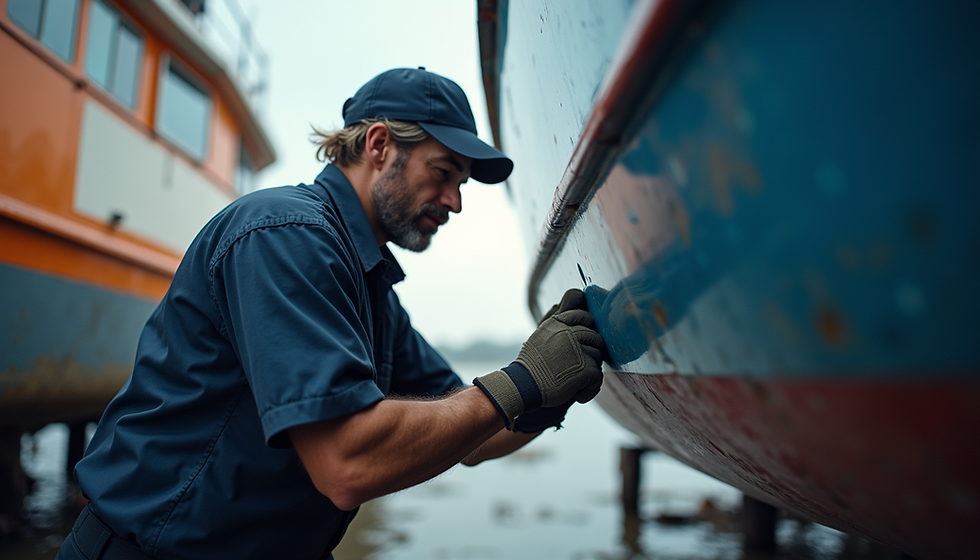
Hull and Structure: Checking for cracks, blisters, or corrosion.
Engine and Mechanical Systems: Assessing engine performance, fuel systems, and propulsion.
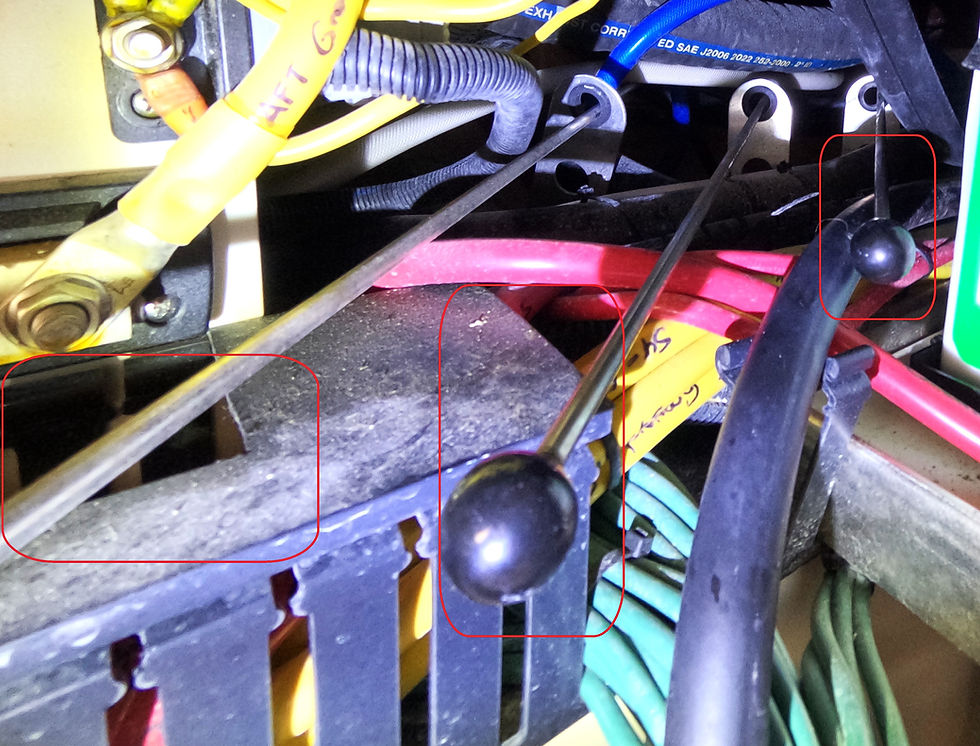
Electrical Systems: Inspecting wiring, batteries, and lighting.
Safety Equipment: Verifying life jackets, fire extinguishers, and alarms.
Interior and Deck: Looking for water damage, mold, and general wear.
Each area requires a keen eye and specialized knowledge. When I conduct surveys, I use a checklist to ensure nothing is overlooked.
Tools of the Trade
Marine surveyors rely on various tools to perform thorough inspections:
Moisture meters to detect water intrusion.
Ultrasound devices for measuring hull thickness.
Infrared cameras to spot hidden electrical issues.
Binoculars for close-up views of hard-to-reach areas.
These tools help uncover problems that might not be visible to the naked eye.
How to Prepare for a Marine Survey
Preparing your boat for a survey can make the process smoother and more effective. Here are some tips I always share:
Clean Your Vessel: A clean boat allows the surveyor to spot issues more easily.
Gather Documentation: Have maintenance records, repair invoices, and registration papers ready.
Fix Minor Issues: Address small problems like leaks or broken lights before the survey.
Be Present: If possible, accompany the surveyor to ask questions and learn firsthand.
Preparation shows you care about your vessel and helps the surveyor provide a more accurate report.
Understanding the Survey Report
After the inspection, you’ll receive a detailed survey report. This document is your roadmap to understanding your boat’s condition. Here’s what to look for:
Summary of Findings: A clear overview of the vessel’s condition.
Detailed Descriptions: Specific notes on each inspected area.
Photographs: Visual evidence of any issues.
Recommendations: Suggested repairs or maintenance.
Valuation: Estimated market value based on condition.
Take your time reviewing the report. If anything is unclear, don’t hesitate to ask your surveyor for clarification. This report is invaluable whether you’re negotiating a sale or planning maintenance.
Why Trusting a Professional Matters
Marine surveying is a specialized skill that requires training, experience, and certification. Trusting a professional ensures you get an unbiased, thorough evaluation. I’ve seen too many cases where skipping a survey led to costly mistakes.
When choosing a surveyor, look for credentials such as certification from recognized bodies and positive reviews. A good surveyor will explain their findings clearly and provide actionable advice.
Navigating the Florida Waters with Confidence
Living and boating in Florida means dealing with unique challenges like saltwater corrosion, hurricanes, and heavy boat traffic. A marine survey tailored to these conditions is crucial. Surveyors familiar with Florida’s environment can spot issues specific to this region, helping you protect your investment.
At RGC Marine Surveying, LLC, we understand these local nuances and strive to be your trusted partner. Our goal is to provide comprehensive surveys that give you peace of mind on every voyage.
Taking the Next Step in Marine Surveying
Mastering the basics of marine surveying is just the beginning. Whether you’re a seasoned boat owner or a first-time buyer, staying informed and proactive is key. Regular surveys, proper maintenance, and working with trusted professionals will keep your vessel safe and valuable.
If you’re ready to take the next step, consider scheduling a survey with a certified expert. It’s an investment in your boat’s future and your own peace of mind.
Remember, every great journey starts with a solid foundation - and in boating, that foundation is a thorough marine survey.
I hope this guide has helped you feel more confident about marine survey fundamentals. If you want to learn more or have specific questions, feel free to reach out or explore trusted resources. Here’s to smooth sailing and safe adventures on the water!
Comments